
Cost of Blower Door Testing
Use the ranges and estimator below as a starting point. Actual totals vary by scope, materials, labor, and site conditions.
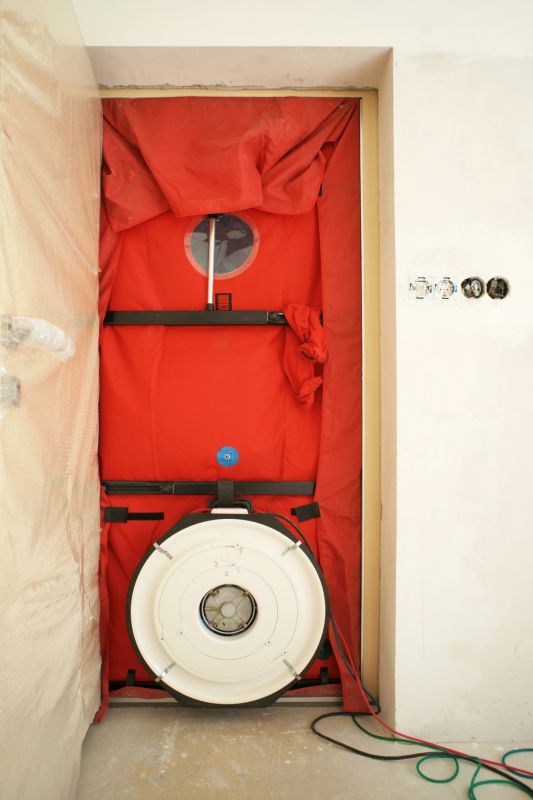
Blower door testing is a specialized service used to measure the airtightness of a home, helping identify leaks and drafts that can impact energy efficiency and comfort. Typically, the process involves setting up a fan in an exterior doorway to pressurize or depressurize the home, while technicians monitor pressure differences and airflow to determine how much air is escaping. The test may also include a visual inspection of the building envelope to locate specific leak points. In many cases, homeowners receive a detailed report highlighting areas of concern and recommendations for sealing or insulation improvements.
Several factors influence the overall cost of blower door testing. The size and complexity of the home play a significant role, with larger or multi-story residences generally requiring more time and equipment, which can increase the price. The accessibility of the building envelope, such as whether there are many obstructions or difficult-to-reach areas, also affects the cost. Additionally, whether the testing is part of a larger energy efficiency upgrade or certification process can influence the price, as some projects may include additional diagnostics or follow-up assessments.
Understanding the scope of the testing is crucial for homeowners when considering costs. Basic blower door tests typically focus on measuring overall home airtightness, while more comprehensive assessments might include thermal imaging or detailed leakage diagnostics for specific areas. Homeowners should clarify whether the service includes a full report with recommendations, or if additional services like duct testing or infrared scans are desired. Defining the scope upfront helps ensure that the project aligns with your goals and budget, avoiding surprises later on.
When budgeting for blower door testing, it’s helpful to consider the potential benefits alongside the costs. While the initial expense might seem modest, identifying and sealing leaks can lead to significant savings on energy bills over time. Moreover, improved home comfort and indoor air quality are valuable outcomes. Homeowners should request estimates from multiple providers, ask about what is included in the price, and consider the reputation and experience of the technicians. This approach ensures that you receive a thorough assessment that meets your needs without overspending.
These ranges group common project scopes so you can compare smaller jobs to mid-sized and larger work. Use them as directional guidance rather than exact quotes.
Small Repairs - Typically cost between $250 and $600 for minor testing and small-scale adjustments. This range usually covers single-room assessments or minor infiltration fixes. Costs are lower when the scope is limited to specific areas or quick tests.
Standard Testing - Generally falls between $600 and $1,200 for comprehensive home assessments. This includes testing the entire building envelope and identifying air leaks across multiple zones. Larger homes or more detailed reports may push costs toward the higher end of this range.
Advanced Diagnostics - Costs can range from $1,200 to $2,500 for in-depth analysis involving additional equipment like thermal imaging. These services are often used for complex or high-performance buildings requiring detailed air leakage data. The scope includes extensive testing and recommendations.
Large or Complex Projects - Typically start at $2,500 and can exceed $5,000 for extensive testing on large commercial buildings or projects with multiple units. The higher costs reflect the complexity, size, and specialized equipment needed for thorough evaluation and reporting.
Pick a scope and material tier, enter a rough size, and add optional extras. The estimate updates instantly.
Scope of Testing - Larger or more comprehensive testing scopes increase the overall cost due to additional equipment and time required.
Building Materials - The type and density of materials can affect the ease of sealing and testing, influencing the cost accordingly.
Access to Testing Areas - Difficult or restricted access points require extra effort and equipment, raising the testing expense.
Removal of Obstacles - The need to remove or move furnishings and fixtures adds to preparation time and costs.
Permits and Regulations - Obtaining necessary permits and complying with regulations can incur additional fees and processing time.
Project Complexity - Complex building designs or multiple units increase the complexity and duration of testing, impacting the total cost.

How much does Blower Door Testing typically cost? The cost usually ranges from $300 to $700, but prices vary based on the scope of testing and site conditions.
Are there additional fees for complex or larger buildings? Yes, larger or more complex buildings may incur higher costs due to increased testing time and equipment needs.
Does the cost include all necessary equipment and reports? Most quotes include testing, analysis, and a detailed report, but confirm with the provider to ensure all services are covered.
Can the price vary depending on the property's accessibility? Yes, difficult access or unusual building features can affect the overall cost of testing.
Are there any discounts or package deals available? Some providers offer discounts for multiple tests or bundled energy efficiency services; inquire directly for options.